H E R M I T I N

Knowledge Base

FDA & CE Certified Eyewear Factory — Low MOQ Private Label, Custom Eyewear OEM/ODM Sourcing & Bulk Wholesale.
gallery
From Sketch to Sample: Understanding the Custom Eyewear Prototyping and Production Timeline

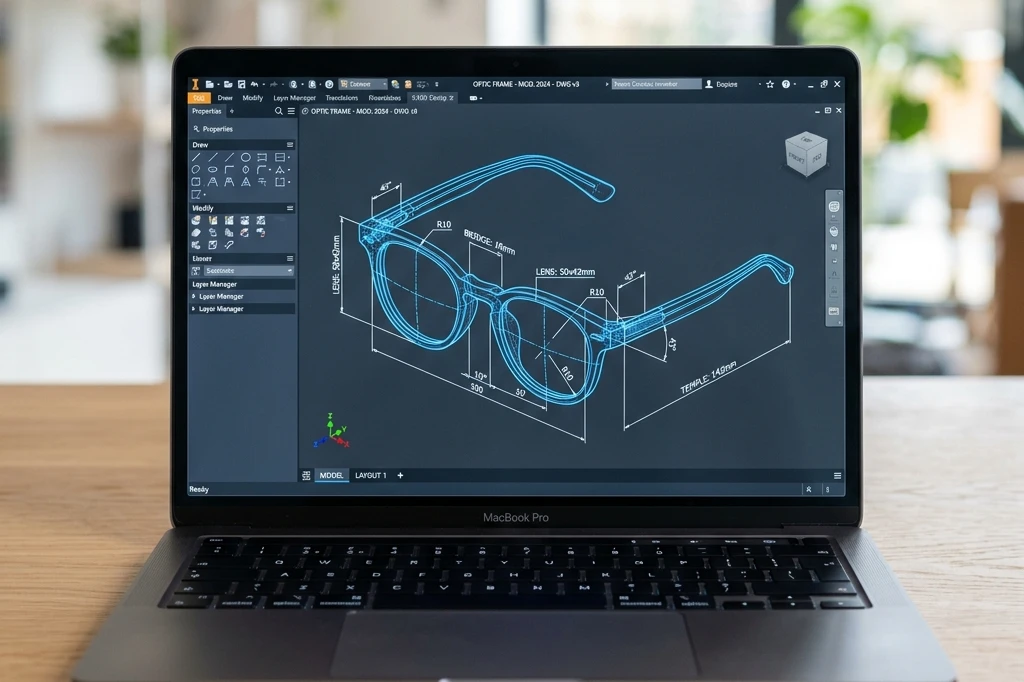
When launching a custom eyewear brand or introducing a new signature frame collection, the journey from an initial design concept to the final, retail-ready product can feel like a black box. For designers, prototype customizers, and brand owners, the two most critical success factors are precision (making sure the glasses fit and look exactly as intended) and efficiency (getting to market before trends shift).

At Hermitin, we believe in complete transparency. To help you plan your next launch, we are breaking down our step-by-step custom OEM/ODM eyewear manufacturing workflow and explaining the exact timeline involved: 7 days for design, 15 days for prototyping, 25 days for mold-making, and 45 days for mass production.


more...
gallery
Eyewear Design Trends 2026/2027: Materials, Aesthetics, and Manufacturing Innovations for B2B Brands

As fashion houses and independent optical labels begin planning their collections for the 2026 and 2027 retail seasons, the eyewear market is witnessing a clear shift. Consumers are moving away from loud, logo-heavy fast fashion and embracing “quiet luxury” and functional complexity.

For brand owners and wholesale buyers, success in this market requires offering designs that combine visual depth with technical sophistication. Developing next-generation eyewear is no longer just about choosing a shape; it is about leveraging advanced manufacturing techniques to create ownable design signatures.

As an integrated eyewear OEM/ODM manufacturer, we present the definitive 2026/2027 Eyewear Design Trend Report, detailing the materials, construction methods, and color palettes that will shape the industry.


more...
gallery
The Return of Rimless: Sourcing Ultralight Beta-Titanium Frames for the Executive Market

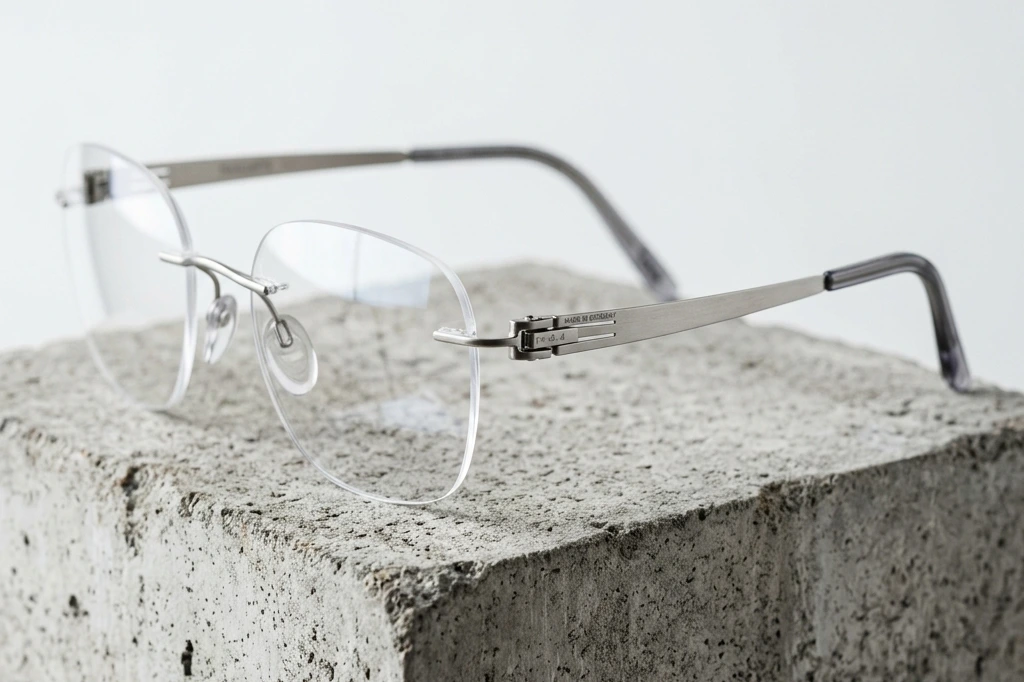
After years of dominance by chunky acetate frames and bold silhouettes, the eyewear industry is witnessing a significant resurgence of a classic minimalist design: Rimless Eyewear.

Driven by the modern executive’s demand for lightweight comfort, clean aesthetics, and “invisible” comfort, rimless glasses have transitioned from a utilitarian choice into a high-status fashion statement. Tech CEOs, financial professionals, and minimalists worldwide are fueling this trend.

For eyewear brands and high-end optical boutiques, the executive market represents one of the most lucrative and loyal demographics. However, manufacturing a rimless frame that is durable and wobble-free requires specialized engineering.

As an experienced titanium eyewear OEM/ODM factory, we explore the materials, assembly mechanics, and sourcing keys to building a premium rimless collection using Beta-Titanium.


more...
gallery
Designing Sports Eyewear: The Engineering Behind TR90 Frames, Polarized Lenses, and Advanced Coatings

The market for high-performance sports eyewear—covering cycling, running, golf, fishing, and tactical applications—is one of the fastest-growing and highest-margin segments in the optical industry. However, unlike fashion sunglasses where aesthetics reign supreme, sports eyewear is defined by engineering.

Athletes demand eyewear that stays secure under intense motion, protects their eyes from high-velocity impacts, handles extreme temperature changes, and optimizes visual contrast in varying light conditions.

For brand owners looking to enter the performance eyewear segment, understanding the material science and optical engineering behind sports glasses is the key to creating a successful, high-value product line.

As a specialized eyewear OEM/ODM manufacturer, we break down the three engineering pillars of premium sports eyewear: TR90 frames, advanced lens polarization, and protective hydrophobic coatings.


more...
gallery
The Ultimate Guide to Custom Packaging and Logo Printing for Private Label Eyewear

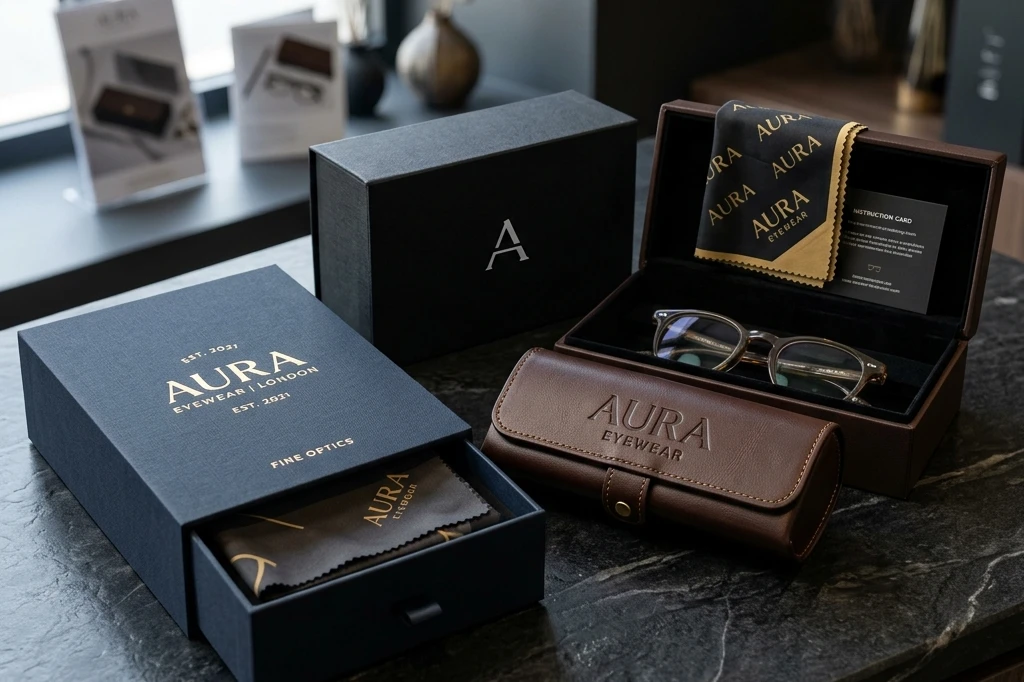
For a private label eyewear brand, the product is only half the story. The physical unboxing experience—the custom leather case, the microfiber cleaning cloth, the product instruction card, and the rigid paper box—is what transforms a pair of physical frames into a premium luxury accessory.

In a competitive market, custom packaging and high-precision logo printing are what justify higher retail prices, build customer loyalty, and elevate your brand’s market perceived value.

As a trusted private label sunglasses manufacturer, we have created this guide to walk you through the various logo printing techniques and custom packaging options available for your brand.


more...
gallery
Why Eyewear Hinges Matter: How Selecting OBE, Comotec, or Custom Spring Hinges Defines Retail Value

When consumers evaluate a pair of premium sunglasses or optical frames, they naturally focus on the acetate finish, the frame shape, or the lens color. But the true test of luxury craftsmanship—and the difference between a $20 mass-market frame and a $250+ designer piece—often lies in the hardware hidden at the temples: the hinge.

For private label eyewear brands, selecting the right hinge system is one of the most critical decisions in the product development phase. The hinge dictates the mechanical feel of the glasses, determines how well the frames hold their adjustment, and directly impacts the return-rate and lifespan of your product.

As an experienced eyewear OEM/ODM manufacturer, we explain why eyewear hardware is the key to product premiumization, and compare the industry’s leading hinge technologies: OBE, Comotec, and Custom Spring Hinges.


more...
gallery
The Complete Guide to Eyewear Logo Branding: Comparing the 6 Most Common Techniques

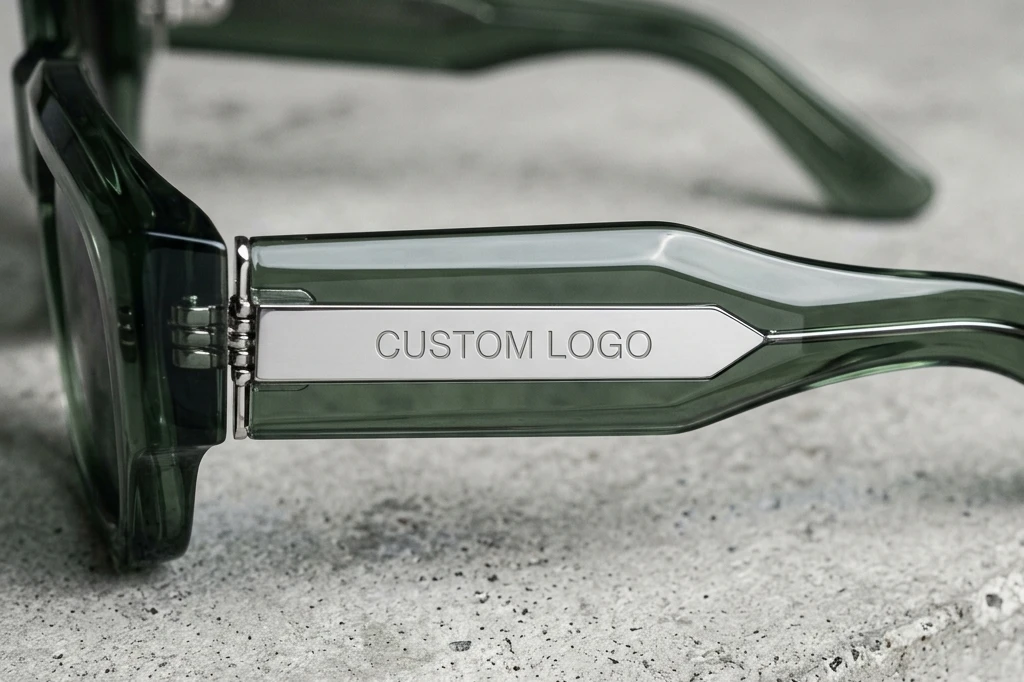
When building a private label eyewear brand, your logo is the primary symbol of your brand’s identity, quality, and craftsmanship. However, branding a pair of glasses is not a one-size-fits-all process. The branding method you choose directly affects your production costs, minimum order quantities (MOQs), design flexibility, and—most importantly—how premium your frames feel in the hands of consumers.

Whether you are designing classic acetate sunglasses, high-performance TR90 sports frames, or executive titanium optical glasses, selecting the right logo marking technique is essential.

As an integrated eyewear OEM/ODM manufacturer, we break down the 6 most common eyewear logo branding methods, analyzing the pros, cons, and best-use cases for each.


more...
gallery
How to Distinguish Pure Titanium from Beta Titanium in Bulk Eyewear Sourcing

Titanium has become one of the most profitable and high-demand segments in the global optical industry. Its exceptional strength, corrosion resistance, biocompatibility, and lightweight comfort justify a premium price point at retail. However, for B2B wholesalers, distributors, and private label brands, titanium sourcing can be complex.

When requesting catalog specifications from a titanium eyeglasses manufacturer, you will encounter two primary terms: Pure Titanium and Beta ($\beta$) Titanium.

While both materials are high-quality, they have different physical properties, manufacturing costs, and application uses. Understanding these differences and knowing how to verify them during bulk inspection is crucial for protecting your brand’s quality standards.


more...
gallery
Acetate vs. TR90 vs. Titanium: Which Frame Material Fits Your Brand's Market Positioning?

When launching or expanding a private label eyewear line, one of the most critical decisions is selecting the raw materials for your frames. The material you choose dictates the target retail price, design flexibility, durability, and overall consumer perception of your brand.

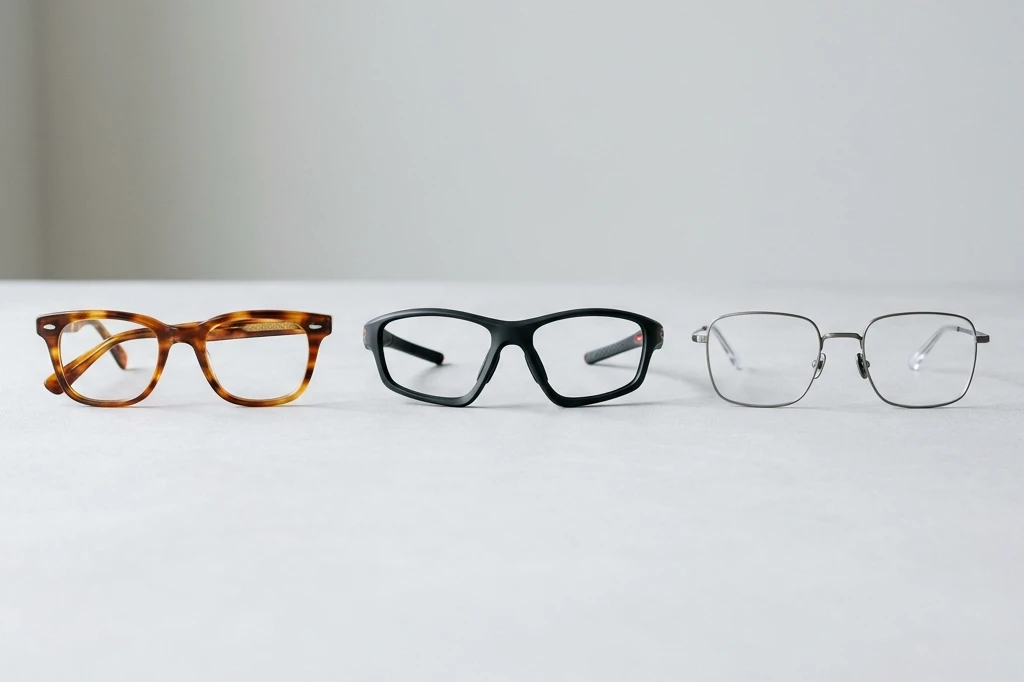
Today, the optical industry is dominated by three main materials: Cellulose Acetate, TR90 (Grilamid), and Titanium. Each serves a distinct market segment and customer profile. As a premium Chinese acetate & titanium OEM/ODM factory, we break down these three materials to help you align your product selections with your brand’s market positioning.


more...
gallery
The Art of Acetate Polishing: Why Some Eyewear Frames Look 'Cheaper' Than Others

When customers walk into an optical boutique, they can pick up a frame and immediately sense whether it is a $20 mass-market piece or a $300 designer item. They don’t need to read the price tag—their fingers and eyes tell them everything.

What creates this sensory distinction? While frame design and hardware matter, the single most influential factor is the finish and polish of the material.

Many entry-level brands struggle to justify premium pricing because their frames look “cheap” or artificial under retail lighting. The secret to premium eyewear lies in understanding the difference between cheap injection-molded plastics and the labor-intensive, multi-step polishing process of premium Cellulose Acetate.

As a factory that specializes in high-end acetate eyewear, we explain the craftsmanship behind the polish and how it elevates the perceived value of your collection.


more...
gallery
How to Select the Best Acetate Material for Your Private Label Sunglasses Line?

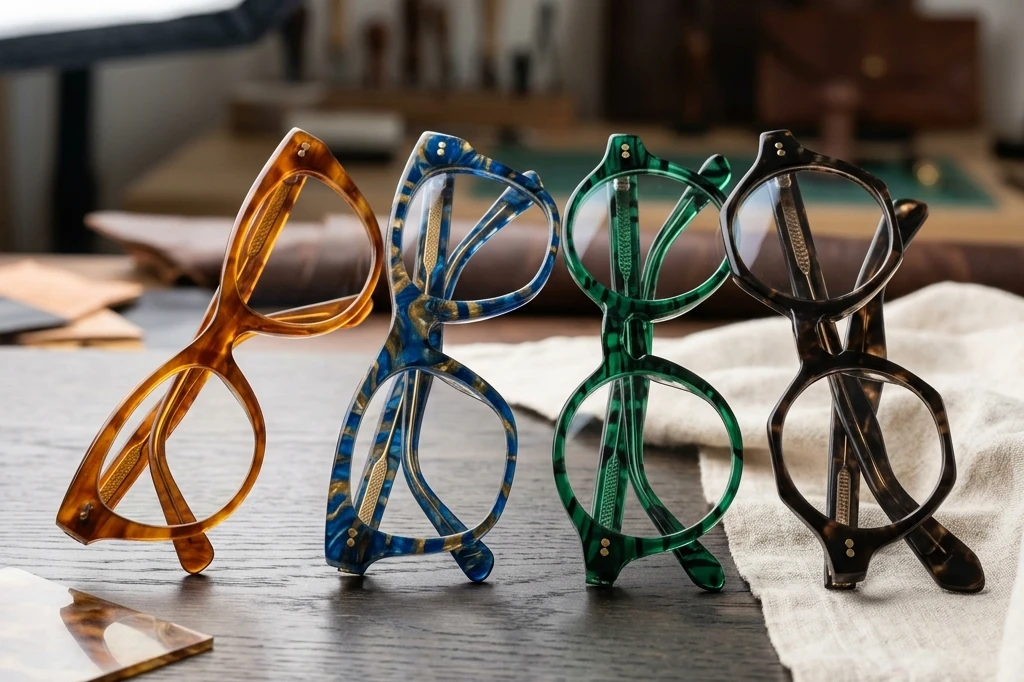
Cellulose acetate has long been recognized as the gold standard for premium eyewear. Unlike generic injection-molded plastics, acetate offers a rich depth of color, exceptional durability, hypoallergenic properties, and a unique warmth to the touch. For private label eyewear brands planning to launch or expand a custom sunglasses line, selecting the right acetate raw material is one of the most critical decisions in the product development lifecycle.

The choice of acetate directly affects not only your sunglasses’ aesthetics and feel but also their structural longevity, manufacturing yield, and brand reputation. As an experienced acetate & titanium OEM/ODM factory, we have compiled this comprehensive guide to help wholesale buyers and brand owners select the best acetate materials for their collections.


more...
gallery
How to Launch Your Eyewear Brand with Low MOQ: Logo Customization on In-Stock Styles (MOQ 100 Pairs)

Traditionally, manufacturing custom sunglasses or optical frames from scratch requires creating new molds and sourcing material sheets in large quantities. For startups and small businesses, the standard factory MOQs of 500 to 1,200 pairs per style represent a substantial capital risk and inventory burden.

Fortunately, there is a low-risk, high-efficiency alternative. By partnering with a flexible manufacturer, you can choose from existing high-quality styles and customize them with your own brand logo, with an MOQ of just 100 pairs per style (assorted colors allowed within the same style).

In this guide, we break down how this low-MOQ sourcing model works, why it is a game-changer for startups, and how you can leverage it to build your brand with minimal risk.


more...
gallery
OEM vs. ODM Eyewear Manufacturing: Which Path is Right for Your Brand?

When launching or scaling an eyewear brand, choosing the right manufacturing model is one of the most critical decisions you will make. It determines your upfront capital investment, product launch timeline, design exclusivity, and supply chain complexity.

In the optical industry, factories generally operate under two models: OEM (Original Equipment Manufacturing) and ODM (Original Design Manufacturing).

While both routes lead to a finished product carrying your brand logo, the paths are entirely different. As an established acetate & titanium OEM/ODM manufacturer, we break down the mechanics, financial requirements, and strategic trade-offs of both options to help you choose the best fit for your brand.


more...
gallery
In-Stock Wholesale vs. Custom OEM: Which Eyewear Sourcing Model Fits Your Business?

When launching or scaling an eyewear brand, one of the most critical operational decisions you will make is choosing your sourcing model.

Should you purchase in-stock, ready-to-ship wholesale frames directly from a manufacturer’s catalog? Or should you invest in custom OEM (Original Equipment Manufacturer) production to build unique designs from the ground up?

Both models have distinct advantages and drawbacks, and the right choice depends on your business stage, target audience, capital, and growth timeline.

As a professional eyewear manufacturer specializing in both wholesale supply and custom OEM/ODM solutions, we break down these two models to help you make an informed decision for your brand.


more...
gallery
Asian Fit vs. Western Fit Eyewear: How to Avoid Fit Issues in Your Targeted Markets

When launching or expanding an eyewear brand internationally, e-commerce return rates can be a major challenge. One of the primary reasons customers return sunglasses or optical frames online is not the style or quality—it is the fit.

A frame that fits perfectly on a customer in Berlin may slide down the nose, rest uncomfortably on the cheeks, or cause eyelashes to rub against the lenses of a customer in Tokyo.

This mismatch occurs because of distinct variations in cranial and facial structures across different global demographics. To address these variations, the optical industry categorizes frame geometries into two primary fits: Western Fit (Standard Fit) and Asian Fit (Low Bridge Fit).

To help your brand build a successful global product line, we break down the technical differences between these two fit styles and explain how you can customize your designs for any target market.


more...
gallery
Titanium vs. Stainless Steel vs. Monel: Choosing the Right Metal for Your Eyewear Brand

Metal frames are experiencing a massive resurgence in the premium eyewear market. From ultra-minimalist round wireframes and vintage-inspired double-bridge aviators to thick-rimmed geometric metal designs, fashion brands are increasingly incorporating metal into their seasonal collections.

However, “metal” is not a single, uniform material. When partnering with an OEM/ODM eyewear manufacturer to build your private label metal collection, you must choose the specific metal alloy that aligns with your brand’s pricing, weight targets, and durability requirements.

The three most common metals used in premium eyewear manufacturing are Titanium, Stainless Steel, and Monel.

Here is our comprehensive guide to help your brand choose the right metal for your next eyewear collection.


more...
gallery
Essential Sales Knowledge Every Optical Professional Should Master

Success in optical retail requires more than just product knowledge—it demands a deep understanding of customer needs, vision correction principles, and the ability to match the right eyewear solutions to individual lifestyles. This comprehensive guide covers the essential sales knowledge every optical professional should master to provide exceptional service and drive sales.


more...
gallery
CR-39 vs. Nylon vs. Polycarbonate: The Brand’s Guide to Sourcing Premium Sunglass Lenses

When launching a private label sunglasses collection, brands often spend 90% of their design energy on the frames—selecting the perfect acetate colors, tweaking the CAD shapes, or testing titanium hinges. However, the lenses are what your customers actually look through.

Choosing the wrong lens material can compromise your brand’s reputation. A cheap lens can cause optical distortion (leading to headaches), scratch within a week of use, or crack under pressure. Conversely, over-specifying high-end lenses for a budget sunglasses line can destroy your profit margins.

For premium eyewear brands and optical retailers, understanding the differences between CR-39 (organic plastic), Nylon (polyamide), and Polycarbonate (PC) lenses is essential for optimizing product quality and manufacturing costs.

As a professional OEM/ODM eyewear manufacturer, we provide an in-depth breakdown of these three dominant sunglass lens materials.


more...
gallery
Building Your Own OEM Eyewear Brand - Avoiding Design Technology Pitfalls and Setting Sail Steadily

Starting your own OEM eyewear brand is undoubtedly a passionate journey, but the hidden challenges cannot be ignored. Inadequate preparation of design technology is a major obstacle. Without appropriate tools and relevant knowledge, you are likely to get lost in a sea of professional terminology and make various design mistakes. Even with the assistance of a designer, if you lack basic eyewear design knowledge, it will be difficult to clearly convey your thoughts, making it hard for the designer to accurately present the styles you envision. Nowadays, there are numerous outsourcing platforms, but they often fail to deliver designs that meet expectations at once, leading to multiple revisions and additional costs. With 25 years of experience in eyewear customization, we have a deep understanding of the difficulties faced by custom clients, and this blog aims to provide you with practical solutions.


more...
gallery
How Smart Glasses and Advanced Lenses Are Saving Our Eyes

In an era where screens are everywhere, our eyes are under more strain than ever before. Whether it’s work, study, or leisure, we seem to be constantly glued to our phones, computers, and tablets. Dryness, fatigue, and even declining vision have become everyday struggles for many. Fortunately, advancements in technology are offering solutions—smart glasses and advanced lenses. They’re not just fashionable accessories or symbols of high-tech innovation; they’re guardians for our eyes. This article will explore how these cutting-edge technologies are quietly transforming our lives, helping us protect our vision and reclaim comfort and eye health in the digital age.


more...
gallery
The Science Behind High-Performance Eyewear

The eyewear industry has evolved significantly, with advancements in materials and technologies driving the development of high-performance eyewear. This article delves into the science behind modern eyewear, exploring the materials, technologies, and innovations that are setting new standards in the industry.


more...
gallery
What Are the Best Materials for Sunglass Lenses?

Sunglasses are not just a fashion statement—they are essential for protecting eyes from harmful UV rays. For wholesale buyers, choosing the right lens material is crucial to meet the needs of your customers. This article provides an in-depth analysis of the most common sunglass lens materials, their pros and cons, and tips for selecting the best option.


more...