Archives

Browse In-Stock Sunglasses, Bulk Optical Frames & Custom Blue Light Lenses — Fast Delivery Worldwide.
gallery
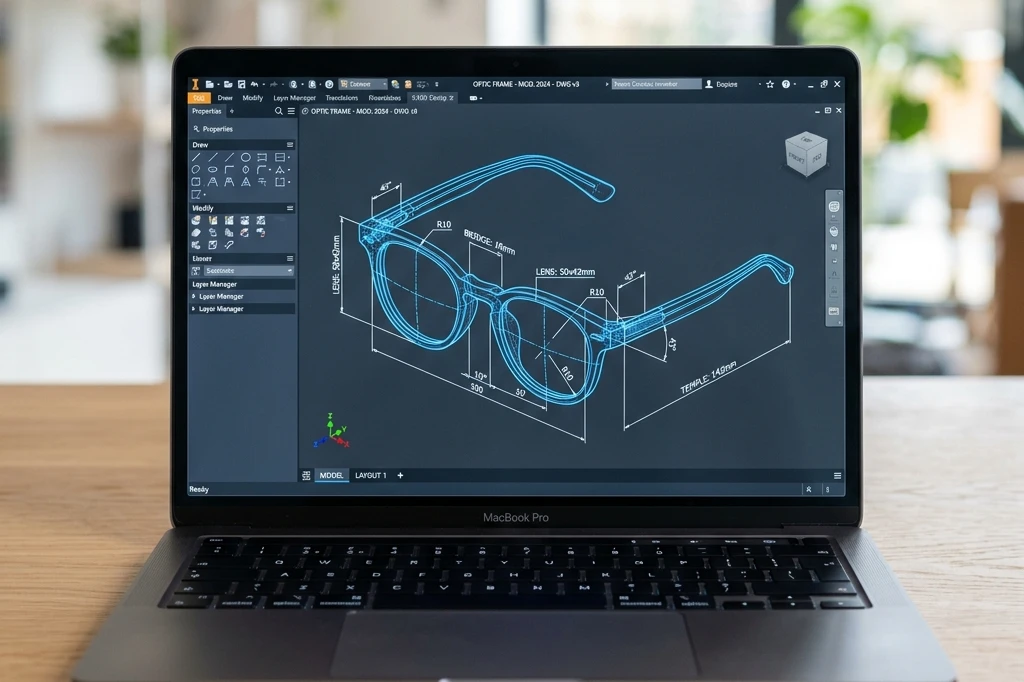
From Sketch to Sample: Understanding the Custom Eyewear Prototyping and Production Timeline

When launching a custom eyewear brand or introducing a new signature frame collection, the journey from an initial design concept to the final, retail-ready product can feel like a black box. For designers, prototype customizers, and brand owners, the two most critical success factors are precision (making sure the glasses fit and look exactly as intended) and efficiency (getting to market before trends shift).

At Hermitin, we believe in complete transparency. To help you plan your next launch, we are breaking down our step-by-step custom OEM/ODM eyewear manufacturing workflow and explaining the exact timeline involved: 7 days for design, 15 days for prototyping, 25 days for mold-making, and 45 days for mass production.

more...
gallery
Eyewear Design Trends 2026/2027: Materials, Aesthetics, and Manufacturing Innovations for B2B Brands

As fashion houses and independent optical labels begin planning their collections for the 2026 and 2027 retail seasons, the eyewear market is witnessing a clear shift. Consumers are moving away from loud, logo-heavy fast fashion and embracing “quiet luxury” and functional complexity.

For brand owners and wholesale buyers, success in this market requires offering designs that combine visual depth with technical sophistication. Developing next-generation eyewear is no longer just about choosing a shape; it is about leveraging advanced manufacturing techniques to create ownable design signatures.

As an integrated eyewear OEM/ODM manufacturer, we present the definitive 2026/2027 Eyewear Design Trend Report, detailing the materials, construction methods, and color palettes that will shape the industry.


more...
gallery
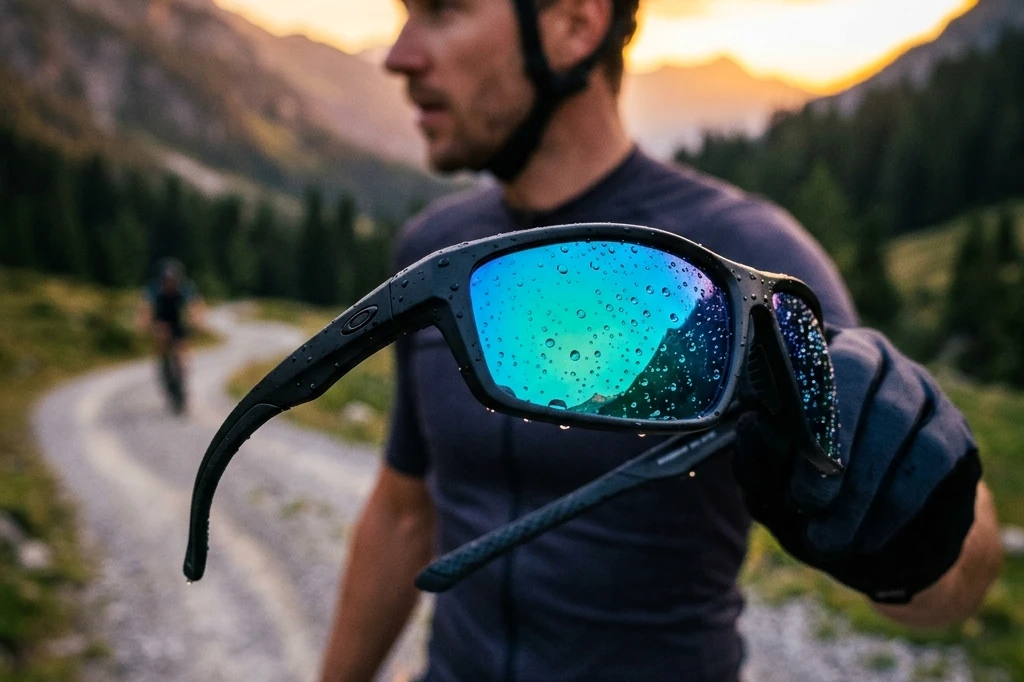
Designing Sports Eyewear: The Engineering Behind TR90 Frames, Polarized Lenses, and Advanced Coatings

The market for high-performance sports eyewear—covering cycling, running, golf, fishing, and tactical applications—is one of the fastest-growing and highest-margin segments in the optical industry. However, unlike fashion sunglasses where aesthetics reign supreme, sports eyewear is defined by engineering.

Athletes demand eyewear that stays secure under intense motion, protects their eyes from high-velocity impacts, handles extreme temperature changes, and optimizes visual contrast in varying light conditions.

For brand owners looking to enter the performance eyewear segment, understanding the material science and optical engineering behind sports glasses is the key to creating a successful, high-value product line.

As a specialized eyewear OEM/ODM manufacturer, we break down the three engineering pillars of premium sports eyewear: TR90 frames, advanced lens polarization, and protective hydrophobic coatings.


more...
gallery
The Ultimate Guide to Custom Packaging and Logo Printing for Private Label Eyewear

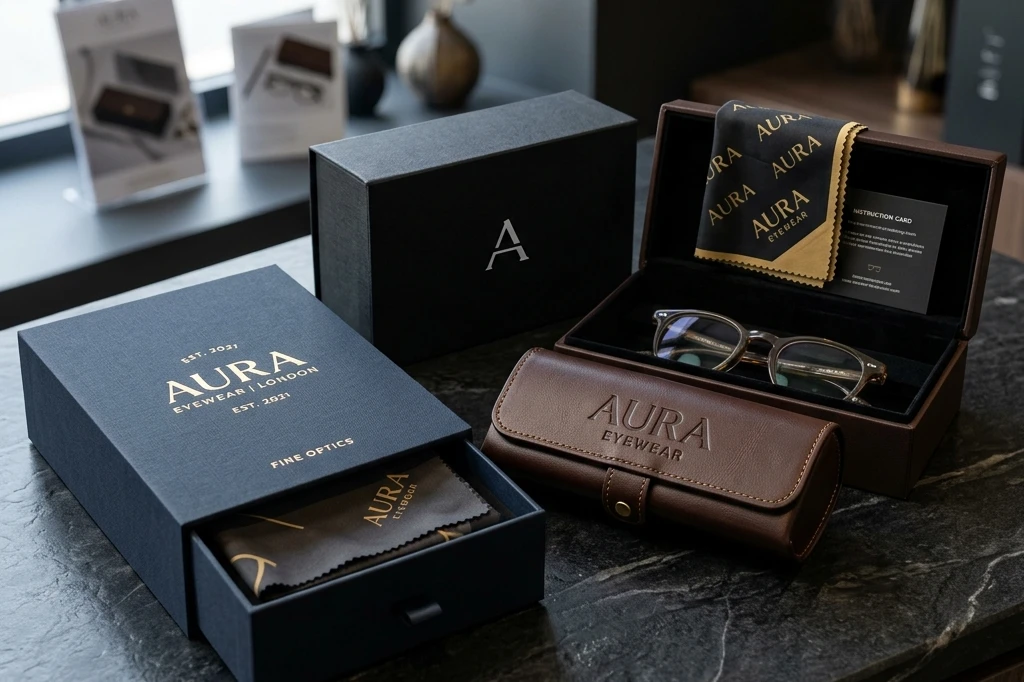
For a private label eyewear brand, the product is only half the story. The physical unboxing experience—the custom leather case, the microfiber cleaning cloth, the product instruction card, and the rigid paper box—is what transforms a pair of physical frames into a premium luxury accessory.

In a competitive market, custom packaging and high-precision logo printing are what justify higher retail prices, build customer loyalty, and elevate your brand’s market perceived value.

As a trusted private label sunglasses manufacturer, we have created this guide to walk you through the various logo printing techniques and custom packaging options available for your brand.


more...
gallery
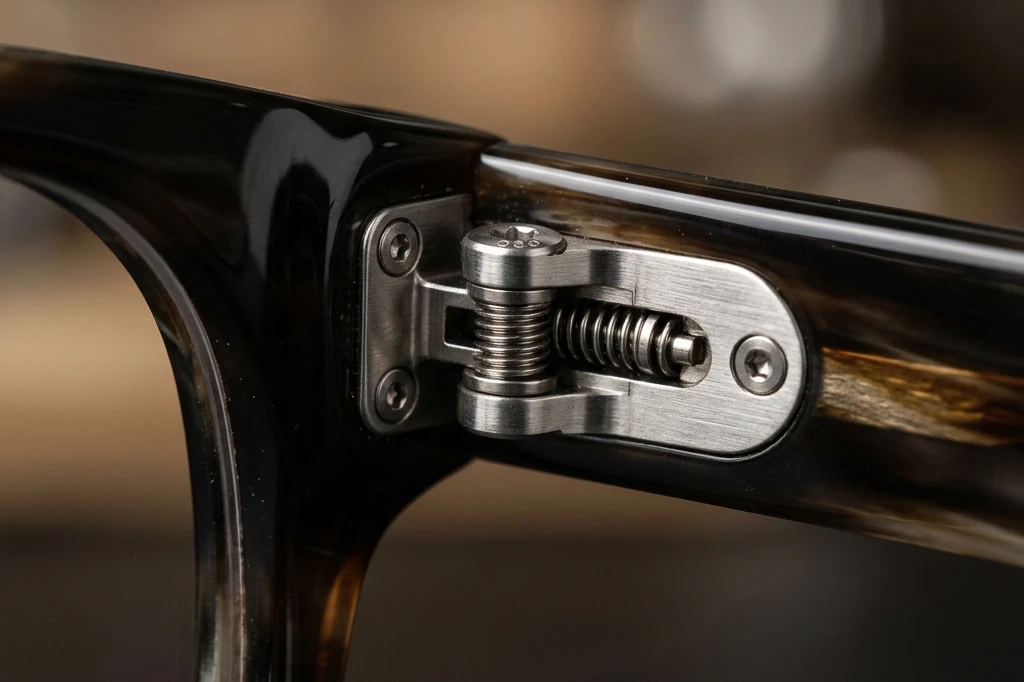
Why Eyewear Hinges Matter: How Selecting OBE, Comotec, or Custom Spring Hinges Defines Retail Value

When consumers evaluate a pair of premium sunglasses or optical frames, they naturally focus on the acetate finish, the frame shape, or the lens color. But the true test of luxury craftsmanship—and the difference between a $20 mass-market frame and a $250+ designer piece—often lies in the hardware hidden at the temples: the hinge.

For private label eyewear brands, selecting the right hinge system is one of the most critical decisions in the product development phase. The hinge dictates the mechanical feel of the glasses, determines how well the frames hold their adjustment, and directly impacts the return-rate and lifespan of your product.

As an experienced eyewear OEM/ODM manufacturer, we explain why eyewear hardware is the key to product premiumization, and compare the industry’s leading hinge technologies: OBE, Comotec, and Custom Spring Hinges.


more...
gallery
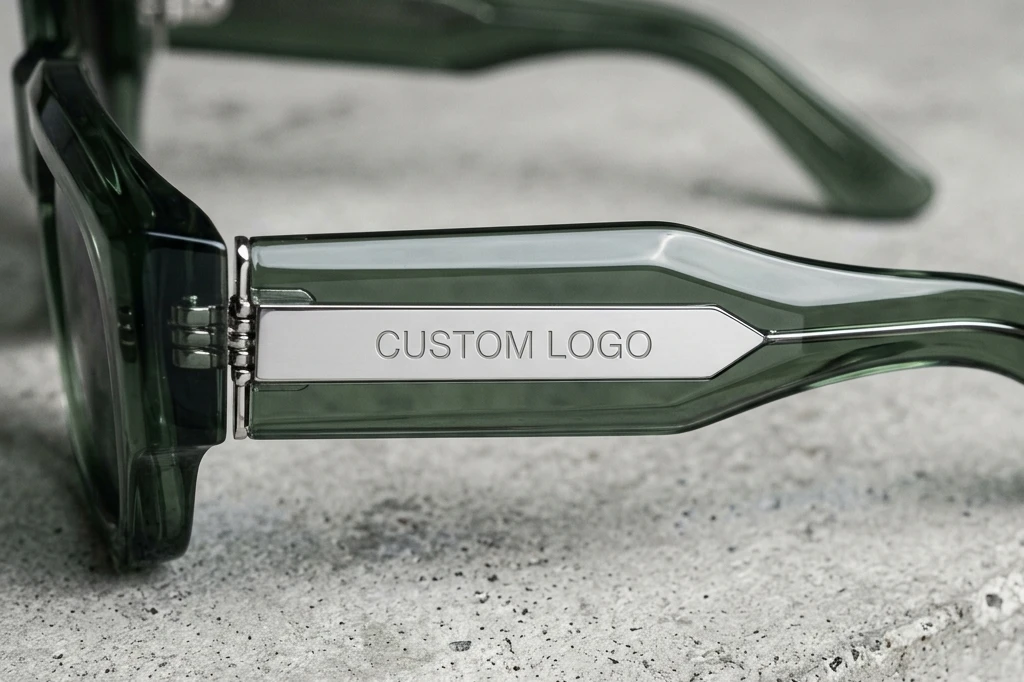
The Complete Guide to Eyewear Logo Branding: Comparing the 6 Most Common Techniques

When building a private label eyewear brand, your logo is the primary symbol of your brand’s identity, quality, and craftsmanship. However, branding a pair of glasses is not a one-size-fits-all process. The branding method you choose directly affects your production costs, minimum order quantities (MOQs), design flexibility, and—most importantly—how premium your frames feel in the hands of consumers.

Whether you are designing classic acetate sunglasses, high-performance TR90 sports frames, or executive titanium optical glasses, selecting the right logo marking technique is essential.

As an integrated eyewear OEM/ODM manufacturer, we break down the 6 most common eyewear logo branding methods, analyzing the pros, cons, and best-use cases for each.


more...
gallery
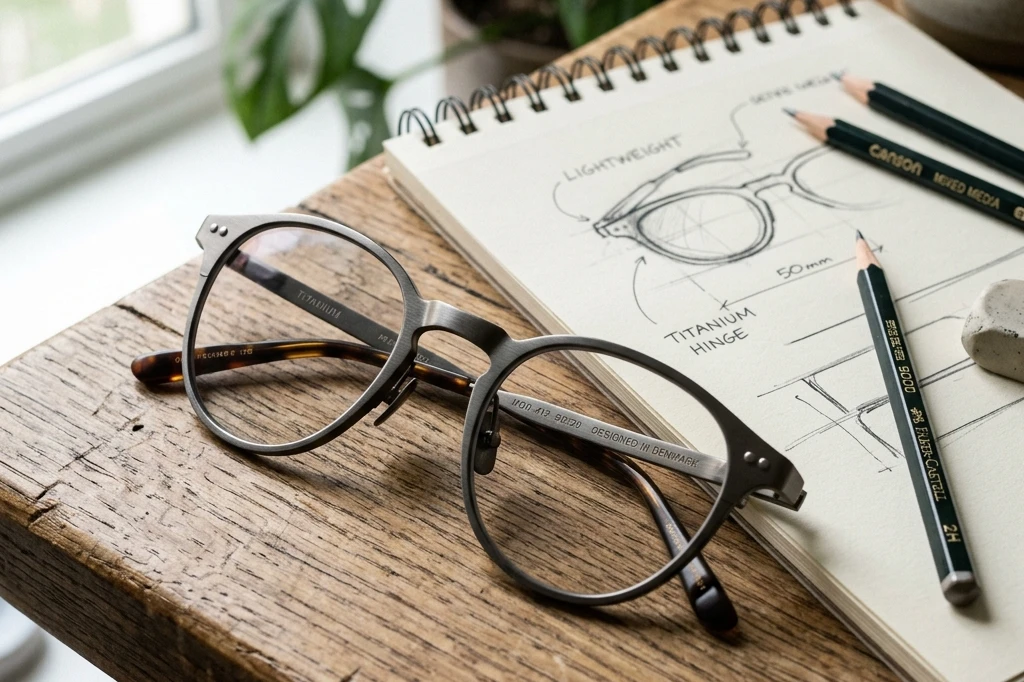
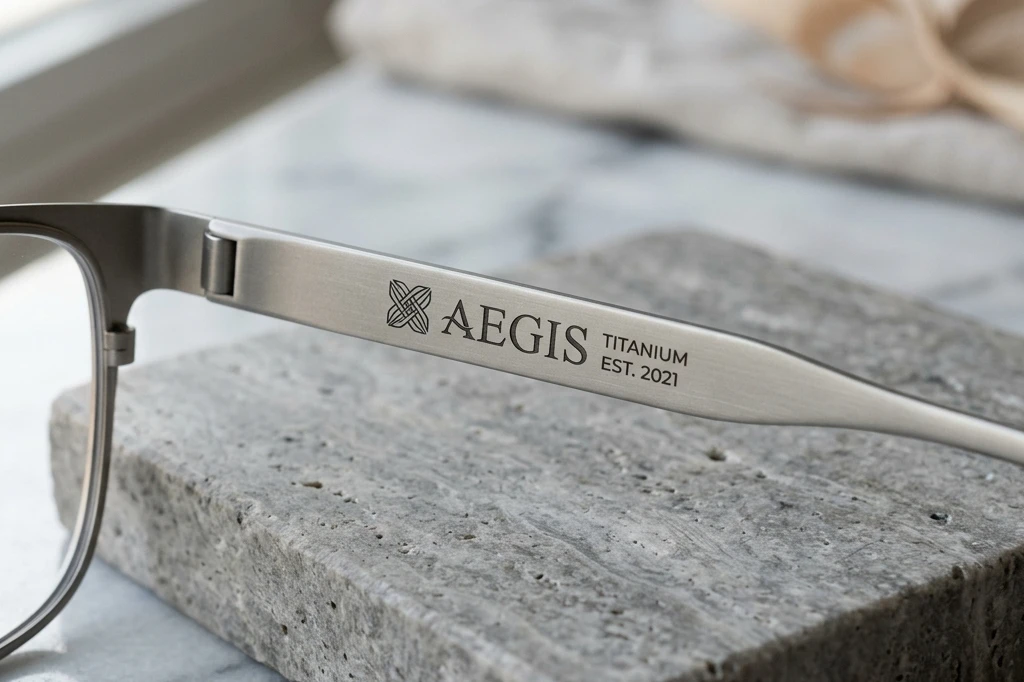
How to Distinguish Pure Titanium from Beta Titanium in Bulk Eyewear Sourcing

Titanium has become one of the most profitable and high-demand segments in the global optical industry. Its exceptional strength, corrosion resistance, biocompatibility, and lightweight comfort justify a premium price point at retail. However, for B2B wholesalers, distributors, and private label brands, titanium sourcing can be complex.

When requesting catalog specifications from a titanium eyeglasses manufacturer, you will encounter two primary terms: Pure Titanium and Beta ($\beta$) Titanium.

While both materials are high-quality, they have different physical properties, manufacturing costs, and application uses. Understanding these differences and knowing how to verify them during bulk inspection is crucial for protecting your brand’s quality standards.


more...
gallery
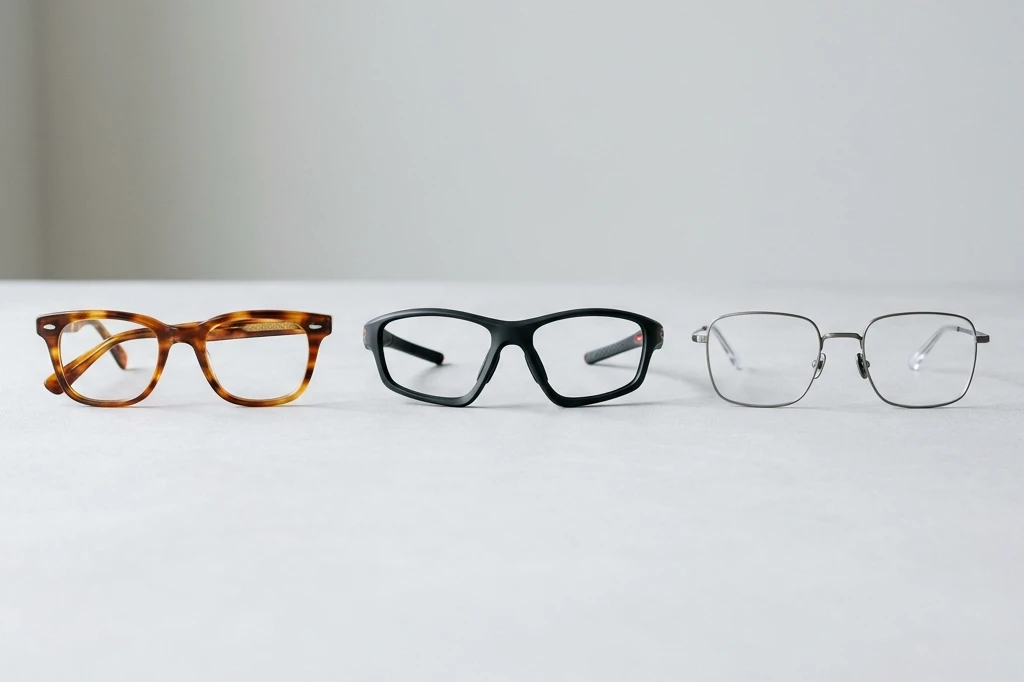
Acetate vs. TR90 vs. Titanium: Which Frame Material Fits Your Brand's Market Positioning?

When launching or expanding a private label eyewear line, one of the most critical decisions is selecting the raw materials for your frames. The material you choose dictates the target retail price, design flexibility, durability, and overall consumer perception of your brand.

Today, the optical industry is dominated by three main materials: Cellulose Acetate, TR90 (Grilamid), and Titanium. Each serves a distinct market segment and customer profile. As a premium Chinese acetate & titanium OEM/ODM factory, we break down these three materials to help you align your product selections with your brand’s market positioning.


more...
gallery
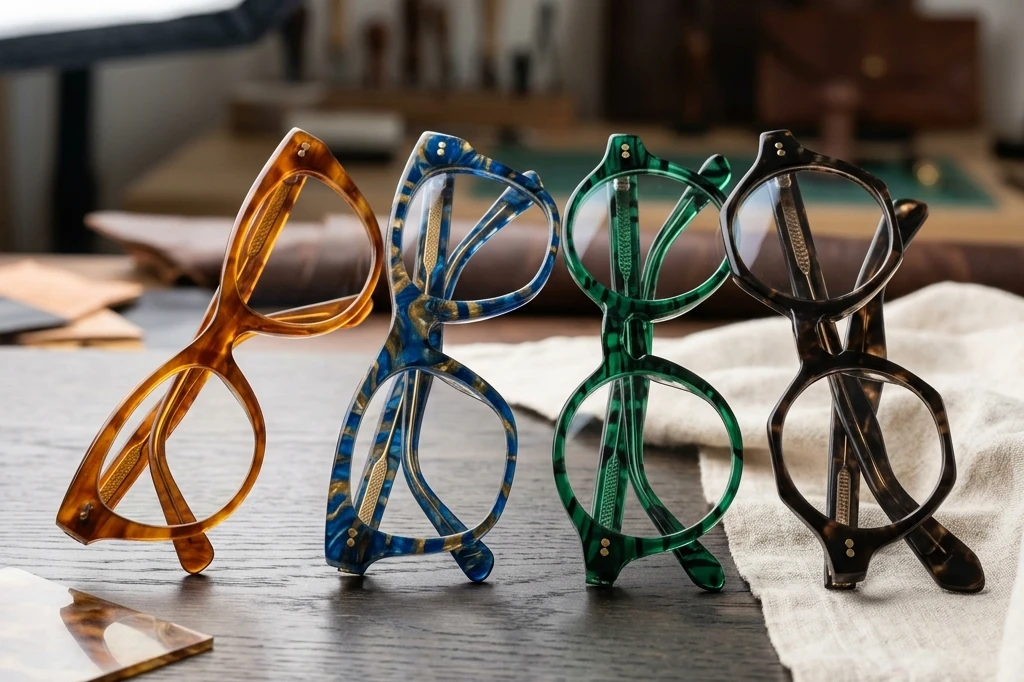
How to Select the Best Acetate Material for Your Private Label Sunglasses Line?

Cellulose acetate has long been recognized as the gold standard for premium eyewear. Unlike generic injection-molded plastics, acetate offers a rich depth of color, exceptional durability, hypoallergenic properties, and a unique warmth to the touch. For private label eyewear brands planning to launch or expand a custom sunglasses line, selecting the right acetate raw material is one of the most critical decisions in the product development lifecycle.

The choice of acetate directly affects not only your sunglasses’ aesthetics and feel but also their structural longevity, manufacturing yield, and brand reputation. As an experienced acetate & titanium OEM/ODM factory, we have compiled this comprehensive guide to help wholesale buyers and brand owners select the best acetate materials for their collections.


more...
gallery
How to Launch Your Eyewear Brand with Low MOQ: Logo Customization on In-Stock Styles (MOQ 100 Pairs)

Traditionally, manufacturing custom sunglasses or optical frames from scratch requires creating new molds and sourcing material sheets in large quantities. For startups and small businesses, the standard factory MOQs of 500 to 1,200 pairs per style represent a substantial capital risk and inventory burden.

Fortunately, there is a low-risk, high-efficiency alternative. By partnering with a flexible manufacturer, you can choose from existing high-quality styles and customize them with your own brand logo, with an MOQ of just 100 pairs per style (assorted colors allowed within the same style).

In this guide, we break down how this low-MOQ sourcing model works, why it is a game-changer for startups, and how you can leverage it to build your brand with minimal risk.


more...