Archives

Browse In-Stock Sunglasses, Bulk Optical Frames & Custom Blue Light Lenses — Fast Delivery Worldwide.
gallery
The Ultimate Guide to Custom Packaging and Logo Printing for Private Label Eyewear

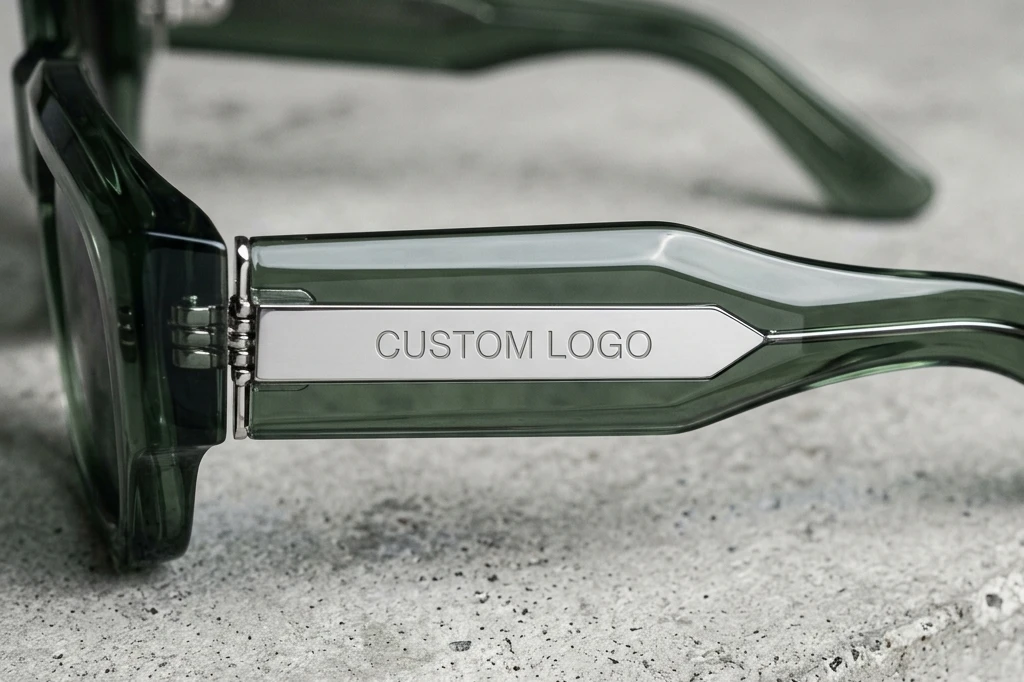
For a private label eyewear brand, the product is only half the story. The physical unboxing experience—the custom leather case, the microfiber cleaning cloth, the product instruction card, and the rigid paper box—is what transforms a pair of physical frames into a premium luxury accessory.

In a competitive market, custom packaging and high-precision logo printing are what justify higher retail prices, build customer loyalty, and elevate your brand’s market perceived value.

As a trusted private label sunglasses manufacturer, we have created this guide to walk you through the various logo printing techniques and custom packaging options available for your brand.


more...
gallery
How to Distinguish Pure Titanium from Beta Titanium in Bulk Eyewear Sourcing

Titanium has become one of the most profitable and high-demand segments in the global optical industry. Its exceptional strength, corrosion resistance, biocompatibility, and lightweight comfort justify a premium price point at retail. However, for B2B wholesalers, distributors, and private label brands, titanium sourcing can be complex.

When requesting catalog specifications from a titanium eyeglasses manufacturer, you will encounter two primary terms: Pure Titanium and Beta ($\beta$) Titanium.

While both materials are high-quality, they have different physical properties, manufacturing costs, and application uses. Understanding these differences and knowing how to verify them during bulk inspection is crucial for protecting your brand’s quality standards.


more...
gallery
Acetate vs. TR90 vs. Titanium: Which Frame Material Fits Your Brand's Market Positioning?

When launching or expanding a private label eyewear line, one of the most critical decisions is selecting the raw materials for your frames. The material you choose dictates the target retail price, design flexibility, durability, and overall consumer perception of your brand.

Today, the optical industry is dominated by three main materials: Cellulose Acetate, TR90 (Grilamid), and Titanium. Each serves a distinct market segment and customer profile. As a premium Chinese acetate & titanium OEM/ODM factory, we break down these three materials to help you align your product selections with your brand’s market positioning.


more...
gallery
How to Select the Best Acetate Material for Your Private Label Sunglasses Line?

Cellulose acetate has long been recognized as the gold standard for premium eyewear. Unlike generic injection-molded plastics, acetate offers a rich depth of color, exceptional durability, hypoallergenic properties, and a unique warmth to the touch. For private label eyewear brands planning to launch or expand a custom sunglasses line, selecting the right acetate raw material is one of the most critical decisions in the product development lifecycle.

The choice of acetate directly affects not only your sunglasses’ aesthetics and feel but also their structural longevity, manufacturing yield, and brand reputation. As an experienced acetate & titanium OEM/ODM factory, we have compiled this comprehensive guide to help wholesale buyers and brand owners select the best acetate materials for their collections.


more...
gallery
How to Launch Your Eyewear Brand with Low MOQ: Logo Customization on In-Stock Styles (MOQ 100 Pairs)

Traditionally, manufacturing custom sunglasses or optical frames from scratch requires creating new molds and sourcing material sheets in large quantities. For startups and small businesses, the standard factory MOQs of 500 to 1,200 pairs per style represent a substantial capital risk and inventory burden.

Fortunately, there is a low-risk, high-efficiency alternative. By partnering with a flexible manufacturer, you can choose from existing high-quality styles and customize them with your own brand logo, with an MOQ of just 100 pairs per style (assorted colors allowed within the same style).

In this guide, we break down how this low-MOQ sourcing model works, why it is a game-changer for startups, and how you can leverage it to build your brand with minimal risk.


more...
gallery
Bio-Acetate vs. Cellulose Acetate: The Sustainable Future of Premium Eyewear

Sustainability is no longer a niche marketing buzzword; it is a fundamental shift in consumer demand. In the eyewear industry, where plastic frames have dominated the market for decades, brands are facing increasing pressure from eco-conscious consumers, regulators, and ESG (Environmental, Social, and Governance) standards to adopt greener alternatives.

To meet this demand, premium eyewear manufacturers have developed Bio-Acetate (Eco-Acetate). But what exactly is bio-acetate, and how does it compare to traditional cellulose acetate? If you are a private label brand, optical retailer, or fashion startup, which material should you choose?

As a professional OEM/ODM eyewear manufacturer, we provide a detailed breakdown of Bio-Acetate vs. traditional Cellulose Acetate to help you navigate the sustainable future of eyewear.


more...
gallery
In-Stock Wholesale vs. Custom OEM: Which Eyewear Sourcing Model Fits Your Business?

When launching or scaling an eyewear brand, one of the most critical operational decisions you will make is choosing your sourcing model.

Should you purchase in-stock, ready-to-ship wholesale frames directly from a manufacturer’s catalog? Or should you invest in custom OEM (Original Equipment Manufacturer) production to build unique designs from the ground up?

Both models have distinct advantages and drawbacks, and the right choice depends on your business stage, target audience, capital, and growth timeline.

As a professional eyewear manufacturer specializing in both wholesale supply and custom OEM/ODM solutions, we break down these two models to help you make an informed decision for your brand.


more...
gallery
Asian Fit vs. Western Fit Eyewear: How to Avoid Fit Issues in Your Targeted Markets

When launching or expanding an eyewear brand internationally, e-commerce return rates can be a major challenge. One of the primary reasons customers return sunglasses or optical frames online is not the style or quality—it is the fit.

A frame that fits perfectly on a customer in Berlin may slide down the nose, rest uncomfortably on the cheeks, or cause eyelashes to rub against the lenses of a customer in Tokyo.

This mismatch occurs because of distinct variations in cranial and facial structures across different global demographics. To address these variations, the optical industry categorizes frame geometries into two primary fits: Western Fit (Standard Fit) and Asian Fit (Low Bridge Fit).

To help your brand build a successful global product line, we break down the technical differences between these two fit styles and explain how you can customize your designs for any target market.


more...
gallery
Titanium vs. Stainless Steel vs. Monel: Choosing the Right Metal for Your Eyewear Brand

Metal frames are experiencing a massive resurgence in the premium eyewear market. From ultra-minimalist round wireframes and vintage-inspired double-bridge aviators to thick-rimmed geometric metal designs, fashion brands are increasingly incorporating metal into their seasonal collections.

However, “metal” is not a single, uniform material. When partnering with an OEM/ODM eyewear manufacturer to build your private label metal collection, you must choose the specific metal alloy that aligns with your brand’s pricing, weight targets, and durability requirements.

The three most common metals used in premium eyewear manufacturing are Titanium, Stainless Steel, and Monel.

Here is our comprehensive guide to help your brand choose the right metal for your next eyewear collection.


more...
gallery
Essential Sales Knowledge Every Optical Professional Should Master

Success in optical retail requires more than just product knowledge—it demands a deep understanding of customer needs, vision correction principles, and the ability to match the right eyewear solutions to individual lifestyles. This comprehensive guide covers the essential sales knowledge every optical professional should master to provide exceptional service and drive sales.


more...