The Art of Acetate Polishing: Why Some Eyewear Frames Look 'Cheaper' Than Others
When customers walk into an optical boutique, they can pick up a frame and immediately sense whether it is a $20 mass-market piece or a $300 designer item. They don’t need to read the price tag—their fingers and eyes tell them everything.
What creates this sensory distinction? While frame design and hardware matter, the single most influential factor is the finish and polish of the material.
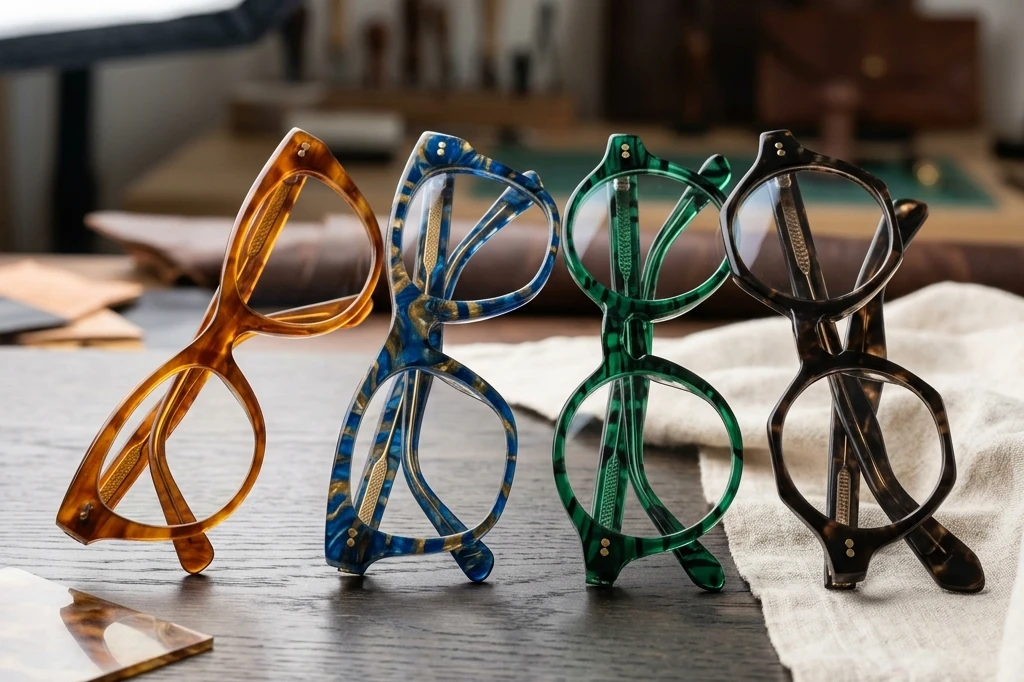
Many entry-level brands struggle to justify premium pricing because their frames look “cheap” or artificial under retail lighting. The secret to premium eyewear lies in understanding the difference between cheap injection-molded plastics and the labor-intensive, multi-step polishing process of premium Cellulose Acetate.
As a factory that specializes in high-end acetate eyewear, we explain the craftsmanship behind the polish and how it elevates the perceived value of your collection.
Key Takeaways for Acetate Polishing:
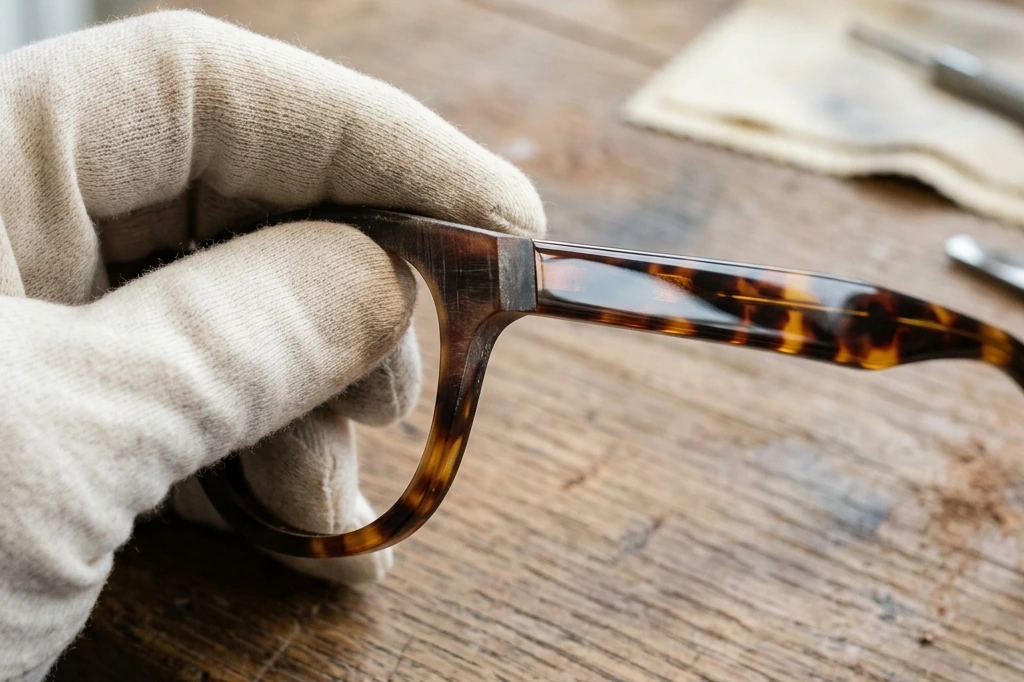
- Material Difference: Unlike cheap injection plastics with mold seams, premium cellulose acetate is carved and requires intensive hand-polishing to remove machine marks.
- The 80-Hour Process: True luxury acetate undergoes up to 96 hours of wood-chip tumbling followed by rigorous hand-buffing and high-shine French polishing.
- Quality Inspection: You can audit finish quality by checking for smooth inner rims, flush hinge alignments, and crisp, undistorted light reflections on the frame's surface.