H E R M I T I N

# Eyewear Sourcing

Eyewear Industry Insights — Trends, OEM Manufacturing Guides, Sourcing Tips & In-Stock Best-Sellers. Stay Ahead of the Market.
gallery
How to Launch Your Eyewear Brand with Low MOQ: Logo Customization on In-Stock Styles (MOQ 100 Pairs)

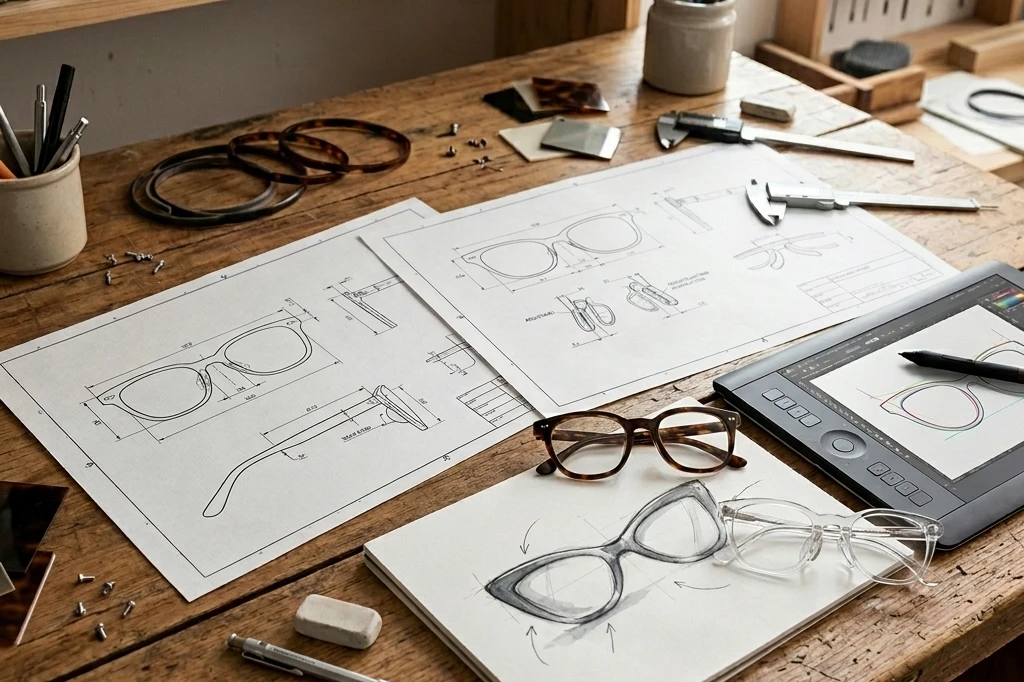
Traditionally, manufacturing custom sunglasses or optical frames from scratch requires creating new molds and sourcing material sheets in large quantities. For startups and small businesses, the standard factory MOQs of 500 to 1,200 pairs per style represent a substantial capital risk and inventory burden.

Fortunately, there is a low-risk, high-efficiency alternative. By partnering with a flexible manufacturer, you can choose from existing high-quality styles and customize them with your own brand logo, with an MOQ of just 100 pairs per style (assorted colors allowed within the same style).

In this guide, we break down how this low-MOQ sourcing model works, why it is a game-changer for startups, and how you can leverage it to build your brand with minimal risk.

Key Takeaways for Launching with Low MOQ:

  • Minimal Risk: Start your private label brand with an MOQ of just 100 pairs per style, freeing up capital for marketing.
  • Premium Customization: Add your logo via precision laser engraving or silk screen printing directly onto factory-stocked frames.
  • Rapid Fulfillment: Bypass mold-making delays and have your branded eyewear ready to ship in just 10 to 15 days.

more...
gallery
In-Stock Wholesale vs. Custom OEM: Which Eyewear Sourcing Model Fits Your Business?

When launching or scaling an eyewear brand, one of the most critical operational decisions you will make is choosing your sourcing model.

Should you purchase in-stock, ready-to-ship wholesale frames directly from a manufacturer’s catalog? Or should you invest in custom OEM (Original Equipment Manufacturer) production to build unique designs from the ground up?

Both models have distinct advantages and drawbacks, and the right choice depends on your business stage, target audience, capital, and growth timeline.

As a professional eyewear manufacturer specializing in both wholesale supply and custom OEM/ODM solutions, we break down these two models to help you make an informed decision for your brand.


more...
gallery
Asian Fit vs. Western Fit Eyewear: How to Avoid Fit Issues in Your Targeted Markets

When launching or expanding an eyewear brand internationally, e-commerce return rates can be a major challenge. One of the primary reasons customers return sunglasses or optical frames online is not the style or quality—it is the fit.

A frame that fits perfectly on a customer in Berlin may slide down the nose, rest uncomfortably on the cheeks, or cause eyelashes to rub against the lenses of a customer in Tokyo.

This mismatch occurs because of distinct variations in cranial and facial structures across different global demographics. To address these variations, the optical industry categorizes frame geometries into two primary fits: Western Fit (Standard Fit) and Asian Fit (Low Bridge Fit).

To help your brand build a successful global product line, we break down the technical differences between these two fit styles and explain how you can customize your designs for any target market.

Key Takeaways for Eyewear Fit Design:

  • Nose Pad Adjustments: Asian Fit (Low Bridge Fit) requires deeper, curved nose pads set closer together (16-18mm) to prevent sliding down a lower nasal bridge.
  • Pantoscopic Tilt: Western fits feature a steep tilt (8°-12°), whereas Asian fits reduce the tilt (4°-6°) to keep lenses clear of prominent cheekbones.
  • Frame Curvature: Asian fit designs utilize a flatter front wrap angle and temples that bow outward to comfortably accommodate wider face profiles without pinching.

more...
gallery
Titanium vs. Stainless Steel vs. Monel: Choosing the Right Metal for Your Eyewear Brand

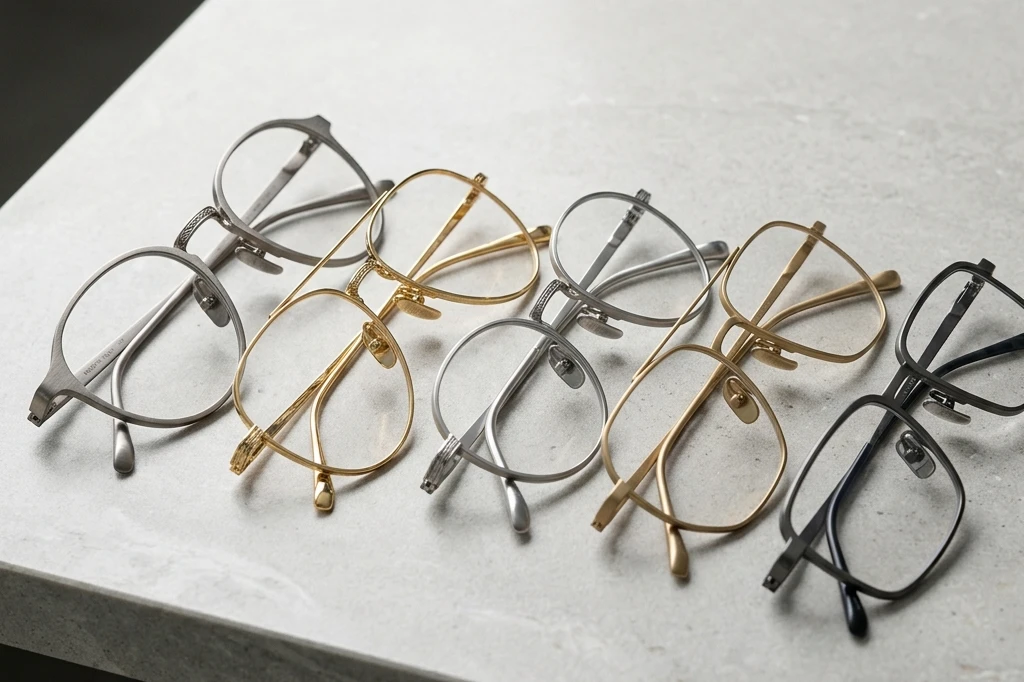
Metal frames are experiencing a massive resurgence in the premium eyewear market. From ultra-minimalist round wireframes and vintage-inspired double-bridge aviators to thick-rimmed geometric metal designs, fashion brands are increasingly incorporating metal into their seasonal collections.

However, “metal” is not a single, uniform material. When partnering with an OEM/ODM eyewear manufacturer to build your private label metal collection, you must choose the specific metal alloy that aligns with your brand’s pricing, weight targets, and durability requirements.

The three most common metals used in premium eyewear manufacturing are Titanium, Stainless Steel, and Monel.

Here is our comprehensive guide to help your brand choose the right metal for your next eyewear collection.


more...