H E R M I T I N

# Cellulose Acetate

Eyewear Industry Insights — Trends, OEM Manufacturing Guides, Sourcing Tips & In-Stock Best-Sellers. Stay Ahead of the Market.
gallery
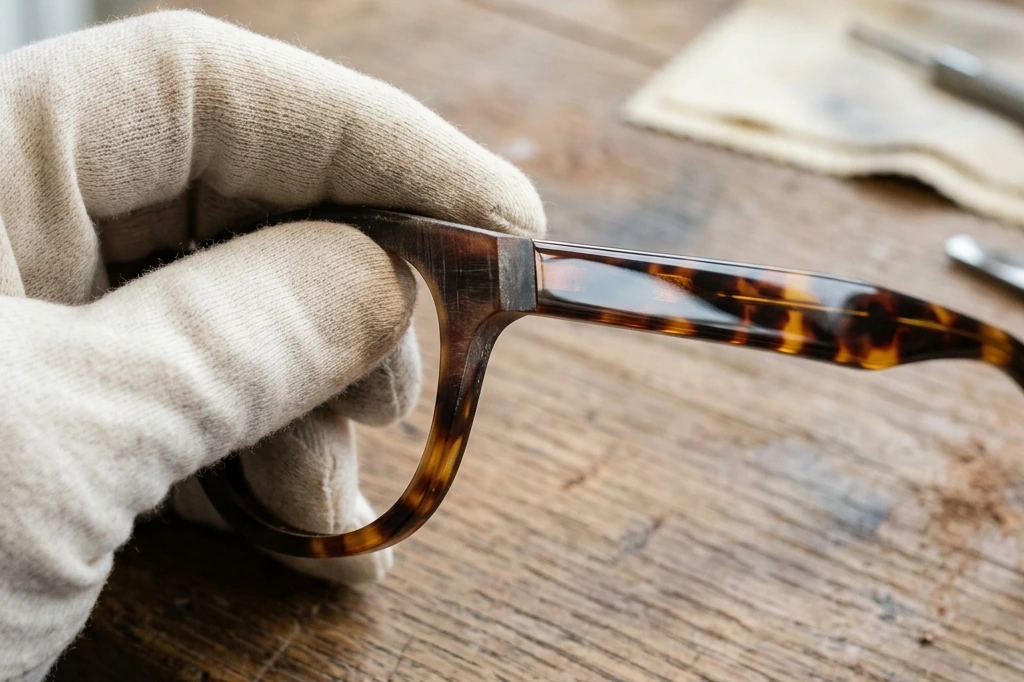
The Art of Acetate Polishing: Why Some Eyewear Frames Look 'Cheaper' Than Others

When customers walk into an optical boutique, they can pick up a frame and immediately sense whether it is a $20 mass-market piece or a $300 designer item. They don’t need to read the price tag—their fingers and eyes tell them everything.

What creates this sensory distinction? While frame design and hardware matter, the single most influential factor is the finish and polish of the material.

Many entry-level brands struggle to justify premium pricing because their frames look “cheap” or artificial under retail lighting. The secret to premium eyewear lies in understanding the difference between cheap injection-molded plastics and the labor-intensive, multi-step polishing process of premium Cellulose Acetate.

As a factory that specializes in high-end acetate eyewear, we explain the craftsmanship behind the polish and how it elevates the perceived value of your collection.

Key Takeaways for Acetate Polishing:

  • Material Difference: Unlike cheap injection plastics with mold seams, premium cellulose acetate is carved and requires intensive hand-polishing to remove machine marks.
  • The 80-Hour Process: True luxury acetate undergoes up to 96 hours of wood-chip tumbling followed by rigorous hand-buffing and high-shine French polishing.
  • Quality Inspection: You can audit finish quality by checking for smooth inner rims, flush hinge alignments, and crisp, undistorted light reflections on the frame's surface.

more...
gallery
How to Select the Best Acetate Material for Your Private Label Sunglasses Line?

Cellulose acetate has long been recognized as the gold standard for premium eyewear. Unlike generic injection-molded plastics, acetate offers a rich depth of color, exceptional durability, hypoallergenic properties, and a unique warmth to the touch. For private label eyewear brands planning to launch or expand a custom sunglasses line, selecting the right acetate raw material is one of the most critical decisions in the product development lifecycle.

The choice of acetate directly affects not only your sunglasses’ aesthetics and feel but also their structural longevity, manufacturing yield, and brand reputation. As an experienced acetate & titanium OEM/ODM factory, we have compiled this comprehensive guide to help wholesale buyers and brand owners select the best acetate materials for their collections.


more...
gallery
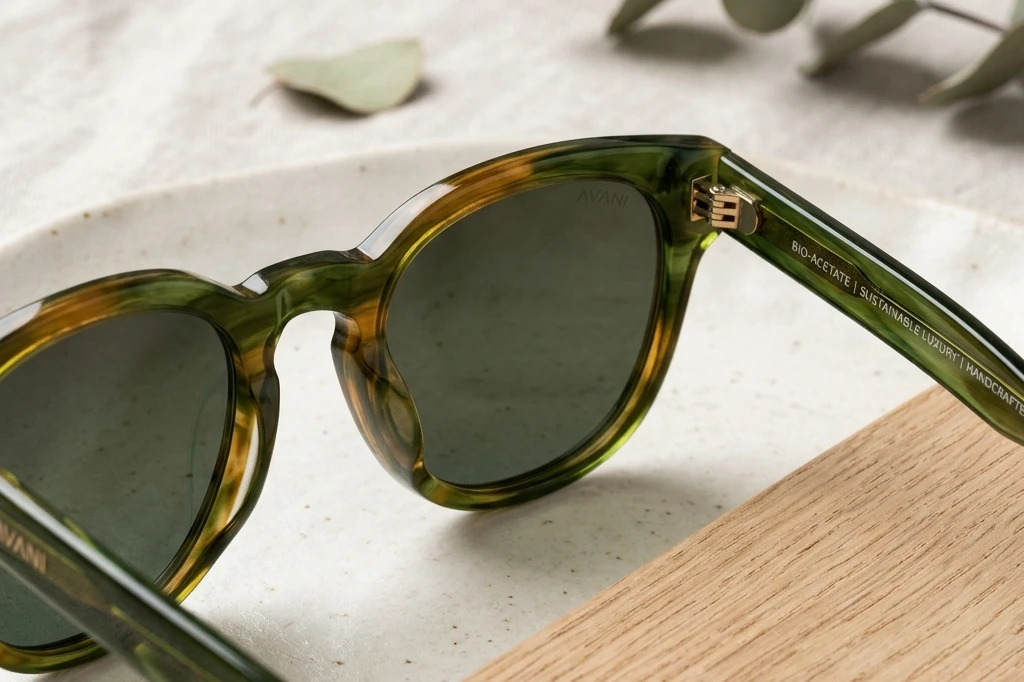
Bio-Acetate vs. Cellulose Acetate: The Sustainable Future of Premium Eyewear

Sustainability is no longer a niche marketing buzzword; it is a fundamental shift in consumer demand. In the eyewear industry, where plastic frames have dominated the market for decades, brands are facing increasing pressure from eco-conscious consumers, regulators, and ESG (Environmental, Social, and Governance) standards to adopt greener alternatives.

To meet this demand, premium eyewear manufacturers have developed Bio-Acetate (Eco-Acetate). But what exactly is bio-acetate, and how does it compare to traditional cellulose acetate? If you are a private label brand, optical retailer, or fashion startup, which material should you choose?

As a professional OEM/ODM eyewear manufacturer, we provide a detailed breakdown of Bio-Acetate vs. traditional Cellulose Acetate to help you navigate the sustainable future of eyewear.


more...